







Che tu lo voglia o no: CPM non sono statici. La realtà è che le entrate dell'editore cambiano nel corso dell'anno. Nella maggior parte dei casi, a causa di fattori che non puoi nemmeno controllare. Ed è assolutamente normale! Esploriamo perché il CPM cambia, in modo che tu possa agire quando arriverà il momento. Tutto questo per migliorare il tuo gioco di monetizzazione pubblicitaria!
Che cos'è il CPM e perché è importante per gli editori
Il Cost-Per-Mille o CPM, è l'importo di denaro che un inserzionista paga per mille visualizzazioni di un annuncio pubblicitario. Per gli editori, è un'utile metrica per comprendere il valore dei loro siti quando si tratta di stabilire un prezzo per uno spazio pubblicitario.
In contrasto con il CPM, RPM o Ricavi per Miglio sono i guadagni stimati di una pagina web per ogni 1000 visualizzazioni di pagina monetizzabili che riceve. Tiene conto del CPM dell'unità pubblicitaria per calcolare le entrate che entrano nelle tue tasche, quindi quando i prezzi del CPM fluttuano, ciò influisce anche sul tuo reddito complessivo.
Come le fluttuazioni del CPM influiscono sulle entrate degli editori
Le fluttuazioni del CPM possono causare instabilità nelle entrate pubblicitarie di un editore di mese in mese. Ci sono momenti nell'anno in cui potresti guadagnare più o meno RPM (Ricavo per mille impressioni) a seconda di quanto gli inserzionisti sono disposti a offrire per il tuo inventario pubblicitario in un dato momento. Questo può essere complicato quando si tratta di previsioni. La buona notizia è che puoi anticipare alcuni di questi cambiamenti e adattare la tua strategia pubblicitaria di conseguenza per stabilizzare le prestazioni nel tempo.
Cosa fa variare il CPM durante l'anno
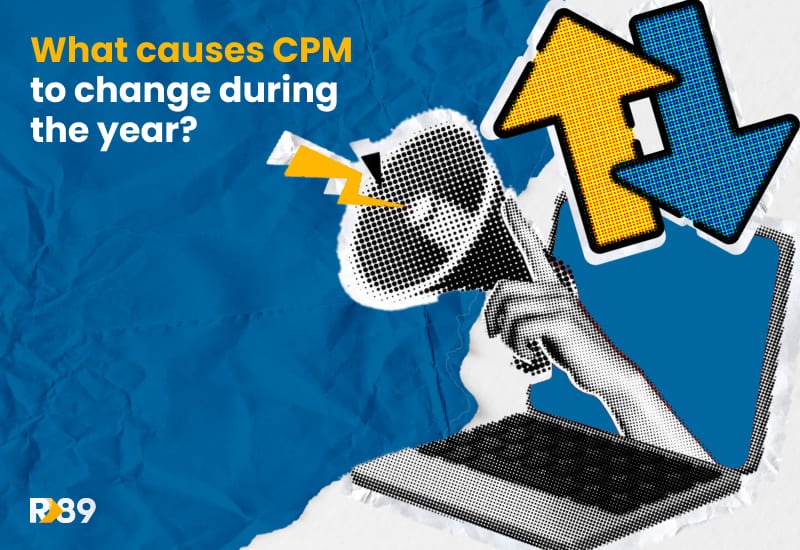
Dalle vacanze alla macroeconomia, ci sono svariati motivi per cui il tuo CPM potrebbe fluttuare. Le ragioni principali per cui il CPM cambia sono dovute alla quantità di domanda disponibile durante un certo periodo. Pertanto, meno inserzionisti ci sono che cercano di acquistare il tuo spazio pubblicitario, minore sarà il CPM e viceversa.
Vediamo alcuni dei motivi più comuni per cui il tuo CPM potrebbe diminuire o aumentare nel corso dell'anno:
Stagionalità
Stagionalità CPM si riferisce alla fluttuazione delle entrate pubblicitarie in periodi specifici. Durante i periodi di minore domanda, i CPM tendono a diminuire, per poi risalire all'aumentare della domanda. Potrebbe sembrare una piaga per un editore, ma imparare a gestirla è fondamentale per la tua strategia di monetizzazione pubblicitaria. Fortunatamente, la maggior parte di queste tendenze annuali sono prevedibili, così puoi anticipare i cambiamenti e agire di conseguenza. Rivediamole:
Picchi di domanda stagionale (Q4)
Il quarto trimestre è il periodo più redditizio dell'anno per un editore. C'è un'enorme domanda di spazi pubblicitari premium a causa delle festività dedicate agli acquisti (Black Friday, Natale, ecc.) che fanno impennare i CPM. In quest'ultima fase, gli inserzionisti sono in modalità “o fai o perdi” con i loro budget, quindi cercano di sfruttare al massimo questo periodo prima che l'anno finisca.
Basse Stagioni (Q1 e Estate)
Il primo trimestre e l'estate tendono a essere le stagioni più lente per gli editori. Soprattutto nel primo trimestre, quando lo “slump di gennaio” colpisce dopo la corsa agli annunci delle festività, i marchi spostano la loro attenzione alla pianificazione delle campagne per il resto dell'anno. Con meno concorrenza per lo spazio pubblicitario durante questo periodo, i CPM tendono a diminuire.
Potresti vedere una luce all'orizzonte nel secondo trimestre con la Pasqua e la festa della mamma alle porte, ma comunque non così frenetico (in senso positivo) come nel quarto trimestre.
Se desideri un'analisi più approfondita delle fluttuazioni del CPM trimestre per trimestre, Dai un'occhiata al nostro webinar su tutto ciò che riguarda la stagionalità o scarica il nostro Calendario Previsionale eCPM 2026 per definire gli obiettivi di fatturato, identificare le opportunità di crescita e prepararsi a risultati più solidi durante tutto l'anno!
Cicli di Budget Pubblicitario
Sulla base dei modelli di settore, i CPM spesso fluttuano in linea con i cicli di budget annuali e trimestrali. Gli inserzionisti ricevono tipicamente budget fissi e li allocano su periodi di tempo definiti, il che può creare stagionalità nella domanda. All'inizio di un anno o di un trimestre, la domanda può a volte essere più debole poiché i budget sono ancora in fase di allocazione. Man mano che ci si avvicina alla fine del periodo designato, tentano di esaurire i loro budget, il che può portare a un potenziale aumento dei CPM. Tuttavia, questo modello non è uniforme tra tutti gli inserzionisti, poiché molti ora si affidano a strategie di ottimizzazione automatizzate in tempo reale che livellano la spesa in modo più uniforme nel tempo.
Modifiche al traffico degli utenti
Quando il traffico è basso, gli inserzionisti tendono a trattenersi dagli investimenti. Ciò significa anche che minore sarà il numero di impression pubblicitarie, minore sarà il tuo guadagno. Cali di traffico possono verificarsi a causa di tendenze stagionali, strategie di contenuto e UX eseguite male, o persino aggiornamenti principali. Ecco perché è sempre bene prendersi cura del proprio SEO e diversificare le tue fonti di traffico.
Condizioni economiche e di mercato
Fattori macroeconomici quali inflazione, crisi finanziarie o instabilità geopolitica possono influire significativamente sulla spesa pubblicitaria. Durante periodi di incertezza, gli inserzionisti tendono a dare priorità all'efficienza, riducendo o riallocando spesso i budget verso canali orientati alla performance. Ciò può portare a una diminuzione generale della domanda. Questi fattori sono al di fuori del tuo controllo e di solito interessano l'intero settore.
Modifiche alla configurazione e al posizionamento degli annunci
Irrazionale prezzi minimi, accedere alla domanda sbagliata per il tuo sito o duplicare richieste di offerta può danneggiare le tue possibilità di ottenere CPM elevati. Inoltre, un posizionamento errato degli annunci può influire sul tuo tasso di visibilità. Gli inserzionisti pagano per essere visti correttamente, quindi assicurati di posizionare le tue unità pubblicitarie dove sono visibili. Offri inoltre il tuo inventario alla domanda giusta attraverso le piattaforme giuste e ottimizza la tua configurazione per una migliore resa.
Mantieni una strategia forte per tutto l'anno
Comprendere perché il CPM cambia e le cause di queste fluttuazioni sono la chiave definitiva per l'ottimizzazione sostenibile della strategia pubblicitaria. Contatta i nostri esperti per raccomandazioni personalizzate su come migliorare la tua configurazione di monetizzazione degli annunci. Lasciaci aiutarti a gestire le modifiche del CPM come un professionista!